Iceberg Model
An analysis tool for diving below surface-level IT incidents into the deeper mental models and architectural structures beneath them.
Why it matters
Diagnostics turn assumptions into grounded structural hypotheses for architecture and organization.
Next step
After that, derive interventions that specifically change rules, boundaries, or feedback loops.

Purpose
The Iceberg Model is one of the most important tools for root-cause analysis in failure-prone systems. It fights the human instinct to treat the problem where the pain is felt, up at the waterline. In architecture we often behave like firefighters: we beat down the flames but do not ask who keeps storing accelerants in the basement. The Iceberg Model forces us to look downward into the deeper layers.
Context of Use
Apply the model in every post-mortem after a major outage or in chronic dysfunction inside a development department. It prevents management from sticking labels on the problem such as, "The junior developer just made a mistake in the script."
Step by Step
The model divides problems into four depth levels, from top to bottom:
1.Events: What just happened? The reaction level. "The payment server is offline. Switch it back on."
2.Patterns: Has this happened before? The anticipation level. "The server fails every Black Friday." Draw a behaviour-over-time chart.
3.Structures: What physical arrangement of code, org chart, or data design forces those patterns to occur? This is the design level.
4.Mental Models: What deep belief inside the organization allowed that harmful structure to exist in the first place? This is the transformation level.
Example
Event: This morning's frontend release broke the entire shopping cart. Immediate reaction: rollback.
Pattern: Nearly 40 percent of releases over the last three quarters were rolled back because of regression bugs.
Structure: QA is a fully isolated silo that reviews code two weeks after the commit. The feedback loop is structurally severed.
Mental model: Leadership clings to the belief that developers should only write code and testing is lower-value work for cheaper resources. Until that frozen belief changes, the rollback rate will not improve.
Diagram
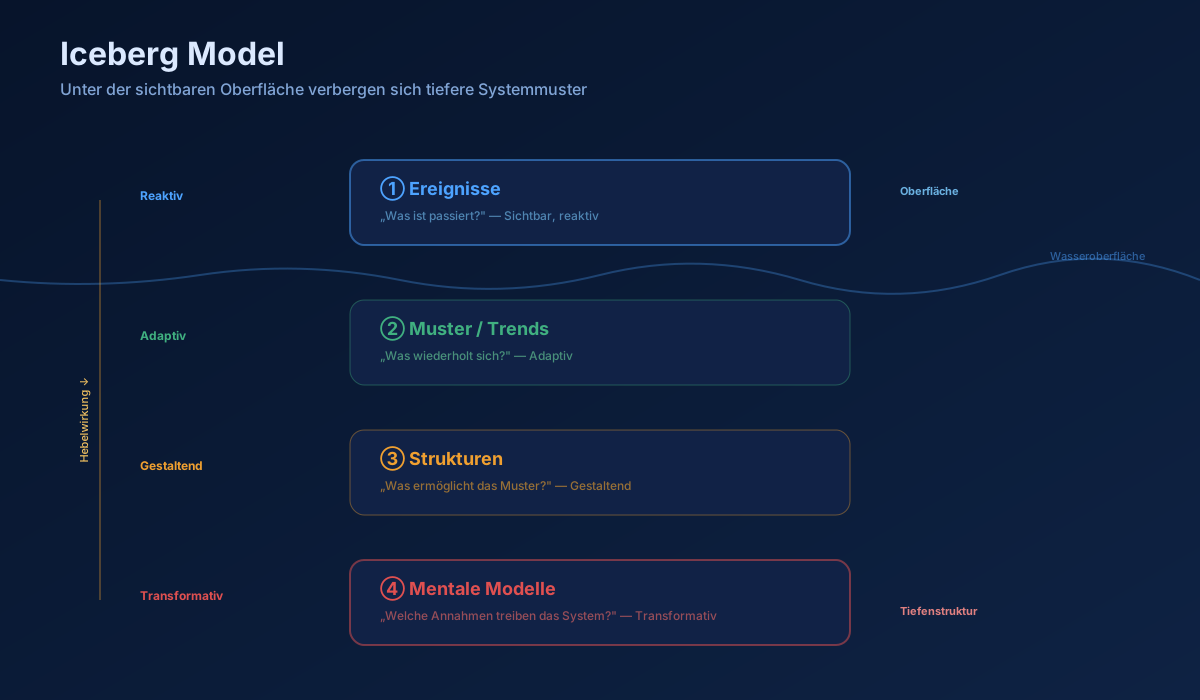
How Diagnosis Turns into Action
One of Donella Meadows's central insights is that structure generates behavior. People are very poor at diving below the pattern layer. As a lead architect, you are the structure diver. Your job is to shape the architecture so that even on a terrible day, a team cannot trigger system-wide problem. The structure below the surface regulates the waves above it.
When This Method Fits Best
As a complement and precursor to causal loop diagrams, which often operate strongly at the structure level, the Iceberg Model brings the intangible layer of human mental models into the room in a much more direct way.
How to Use the Diagnosis in Everyday Work
Reject pure fix tickets for critical failures if they are not accompanied by an iceberg protocol. Require your lead developers to fill out four fields for each problem. If they use the mental-model field only to write things like "The customer is unsuitable" or "We are too unsuitable," stop the meeting. Mental models are deep cultural assumptions, not insults.
First Analysis Steps
Always connect the iceberg layers to interventions. At level one you react. At level four you change worldview. A CIO who shifts the company's mental model from "IT is a cost center" to "IT is core business" can remove hundreds of level-one architecture problems overnight because budgets, priority, and respect start flowing into the system.
How You Recognize a Useful Diagnosis
Do your retrospectives have enough space to move beyond complaining about yesterday's awful build server and instead dissect your own dysfunctional team rituals at the structural level?
Sources
The Systems Thinker: The Iceberg Model
Ecochallenge — Systems Thinking: The Iceberg Model
Donella Meadows — Thinking in Systems, Chapter 1: Structure and Behavior
Authors & Books
Go to referencesRelevant references for Iceberg Model.
Example analysis artifact
Iceberg model with four levels of depth from events to mental models.
Continue reading
Explore related topics from Diagnostics
Assumption Mapping
A diagnostic tool for strictly exposing, categorizing, and deliberately testing unspoken assumptions in architecture design.
Behaviour over Time Charts
A visualization tool that reveals how system variables such as metrics, debt, or productivity change over time.